

Government Approved Consultants
Study in Europe
Europe offers a wide spectrum of globally recognized undergraduate, master’s, and doctoral programs across all fields—from STEM and business to arts and humanities. With comparatively low tuition in many countries, co-funded programs, abundant scholarships, and flexible degree frameworks (like ECTS and Bologna), Europe delivers affordable, high-quality education, cultural diversity, and strong regional mobility opportunities for international students.
- Universities across Europe adhere to the Bologna Process and ECTS, enabling seamless credit transfer and degree recognition across 49 countries (European Higher Education Area).
- Provision of multiple English-taught programs at all levels, making Europe accessible to non-EU students.
- Many public universities in countries like Germany, France, Finland, etc., charge minimal or no tuition—students typically pay only administrative or semester fees.
- Rich scholarship and mobility options, including Erasmus+ and Erasmus Mundus joint programs with funding support.
- Shorter degree durations: bachelor’s typically 3–4 years, and master’s often 1–2 years—faster progression compared to the US/Canada.
- Studying in Europe offers robust cultural immersion and travel opportunities across countries, enhancing global outlook and employability.
Search your Study Destination!
Explore our study destinations!
Discover top international study destinations that open doors to world-class education, cultural diversity, and career opportunities. Choose the country that aligns with your academic goals and future ambitions.
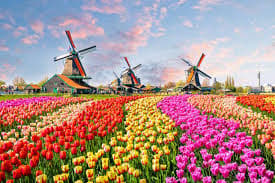
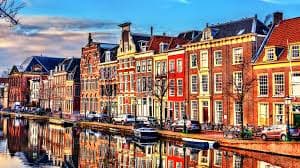
Netherlands
The Netherlands offers a dynamic, multicultural academic environment with extensive English-taught programs and strong international integration.
Quick Facts
- International student population grew from ~54,000 in 2011 to ~122,300 in 2022
- International students make up about 15% of total enrollment (2022)
- Largest international student numbers at University of Amsterdam (~13,800) and Maastricht University (~12,100)
- Diverse popular bachelor programs include International Business, Psychology, and Economics
- English-taught programmes widely available across levels
- Central European location with strong research and innovation reputation
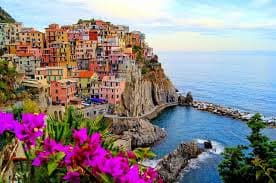
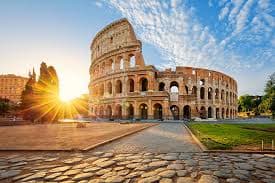
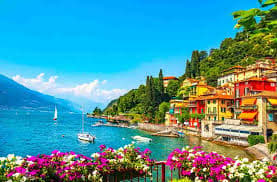
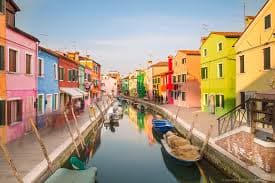
Italy
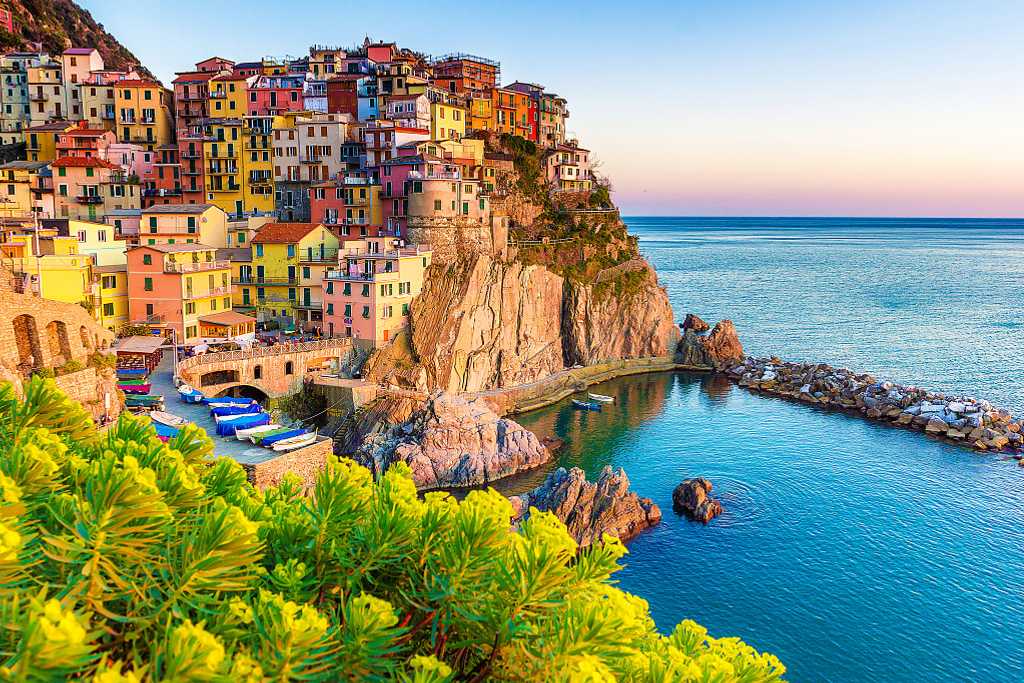
Italy is a historic and culturally rich study destination offering affordability and strong programs in arts and design.
Quick Facts
- Home to some of the oldest universities in the world
- Affordable tuition and cost of living
- Strong offerings in fields like architecture, arts, and design
- Wide variety of English-taught courses
- Post-study work visa available up to 1 year
- Rich cultural heritage that enhances the academic experience
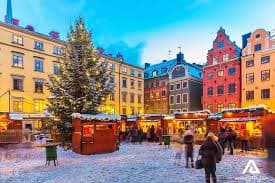
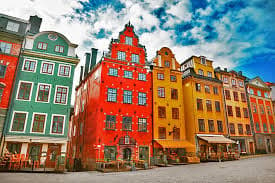
Sweden
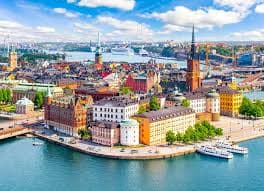
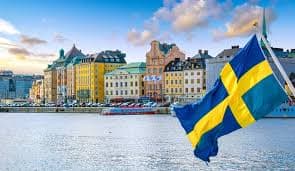
Sweden nurtures innovation and creativity, with a focus on academic freedom, research excellence, and high quality of life for students.
Quick Facts
- Had ~28,000 international tertiary-level students in 2016 (7% of total enrollment)
- Non-EEA graduates allowed a 6-month post-study job-search residence permit
- Study-related immigration seen positively in policy and academia
- Strong emphasis on research and international competitiveness
- High quality of life with safe, equitable society
- Programs often require Swedish proficiency for part-time jobs and internships—challenging for non-locals
Austria
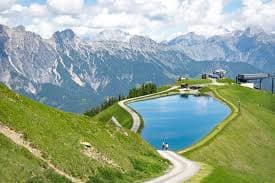
Austria combines central European accessibility with high academic standards, affordable education, and robust student support.
Quick Facts
- Over 70 higher education institutions, including 23 public universities
- Attracts around 85,000 international students annually
- Approx. 350 English-taught programs available
- Post-study job-seeker visa valid up to 12 months; pathways to Red-White-Red Card for work
- OeAD and other grants offer scholarships and funding support
- Central location in Europe enhances travel and cultural accessibility



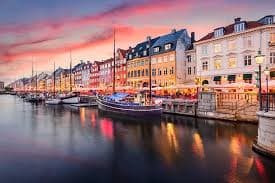
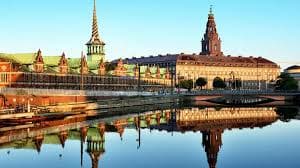
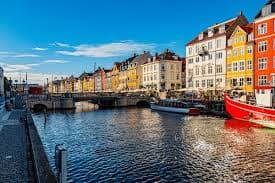
Denmark
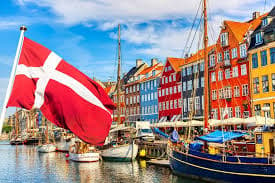
Denmark is known for its progressive education, high living standards, and strong personal development focus.
Quick Facts
- Consistently ranked among the happiest countries globally
- Many English-taught programs across higher education
- Post-study job-search visa valid for up to 6 months
- Strong welfare system and low crime rates
- Acts as a gateway to Scandinavia and Europe
- Emphasis on high-quality teaching and student development
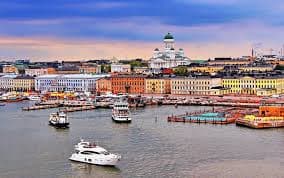
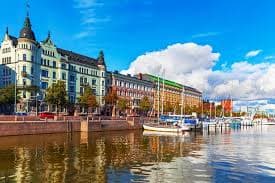
Finland
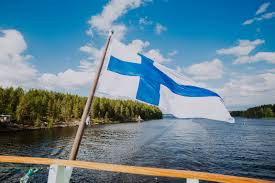
Finland offers a modern, innovation-driven education system set in a high-livable, nature-rich environment.
Quick Facts
- 7 universities ranked in QS World Top 500 (2022)
- Hosts over 20,000 international students
- 13 universities and 22 universities of applied sciences
- Post-study work visa valid up to 1 year
- Helsinki ranks among the most popular student cities globally
- Finland known for modernity, innovation, and academic reputation

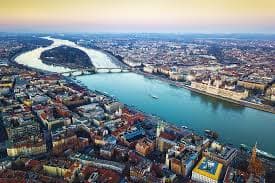
Hungary
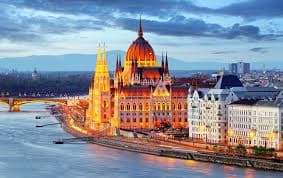
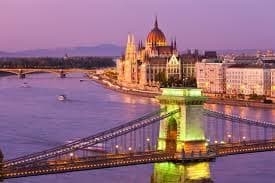
Hungary offers long-term academic heritage with affordable costs and increasing options for international students.
Quick Facts
- Higher education tradition over 650 years old (first university founded in 1367)
- 65 higher education institutions today
- 500+ languages-inclusive programs (English, German, French)
- Affordable tuition and living costs compared to many European countries
- Double-degree and Erasmus internship opportunities
- Post-study work visa valid up to 9 months

Switzerland
Switzerland combines elite education with global institutional presence and innovation-driven campuses.
Quick Facts
- 3 Swiss universities in QS World Top 100 (2023)
- Approximately 260,000 students enrolled in Swiss higher education
- Strong presence of global organisations and international institutions
- Paid internship opportunities available for international students
- Innovation-focused academic systems with practical ties
- High quality of life and multilingual environment




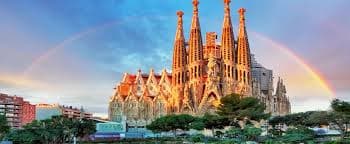
Spain
Spain offers an affordable, vibrant, and creative study environment with strong student satisfaction.
Quick Facts
- Spain is a major economic power and creative hub in Europe
- Safe and welcoming country with friendly locals
- Cost of living ~17% lower than Germany, up to 30% less than France
- Wide range of graduate and postgraduate programs highly valued by employers
- Post-study work opportunities enhance job prospects
- Rich lifestyle opportunities—from culture to sports and social life



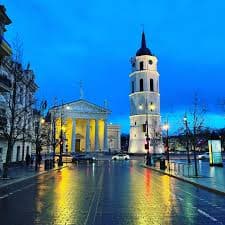
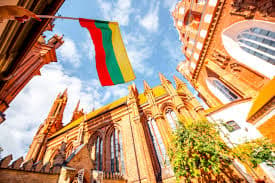
Lithuania
Lithuania is a modern EU member state offering affordability, fast connectivity, and welcoming for international students.
Quick Facts
- Over 500 English- or Russian-taught internationally recognized programs
- Cost of living cheaper than 54% of countries worldwide
- Students eligible for Lithuanian state scholarships
- Foreign students can work up to 20 hours per week
- Post-study work visa valid up to 15 months
- Welcoming culture and easy Schengen visa accessibility


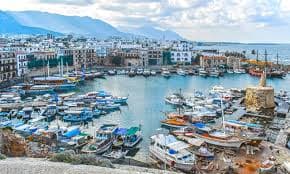
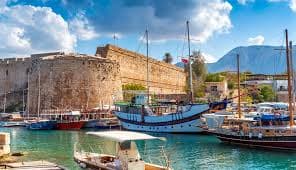
Cyprus
Cyprus offers affordable, quality higher education in a sunny Mediterranean setting with English as a key language.
Quick Facts
- Over 25,000 students study in Cyprus
- Degrees recognized globally
- Scholarships covering up to 40% of tuition fees
- Wide field options including medicine, finance, arts, music
- English is an official language in academic settings
- Excellent career-growth opportunities post-study


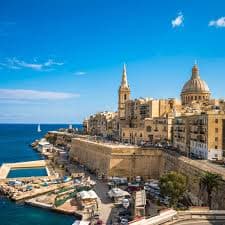
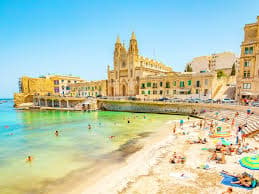
Malta
Malta offers quality education in an English-speaking, historically rich island setting with career-oriented options.
Quick Facts
- High-quality education at reasonable costs
- Opportunities for career growth abound
- About 90% of population speaks English; popular for English language courses
- Over 200 courses available in fields like agriculture, tourism, logistics, social sciences
- Friendly and compact island environment enriches student experience
- Small class sizes with experiential learning models (implied)

Russia
Russia remains a historic, science-focused study destination with a large international student population.
Quick Facts
- One of the world’s top 5 destinations—~300,000 international students (2019)
- Wide range of fields offered in English, IT, engineering, medicine
- Technologically focused campuses with strong academic infrastructure
- Adaptation programs available for international students
- Popular study areas include economics, finance, natural sciences
- Strong blend of academic and research opportunities
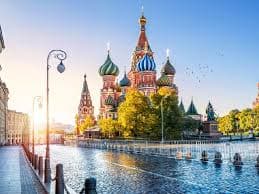
Belgium
Belgium is valued for its multilingual, high-quality education system set within vibrant student cities.
Quick Facts
- Recognized as one of Europe’s best educational systems by international students
- Multiple instruction languages: French, Dutch, German, and English
- Highly favorable environment for international students
- Accessible pricing for living and education relative to Western Europe
- Vibrant cultural life and diverse cities (implied)
- Strong social satisfaction and city-life experience
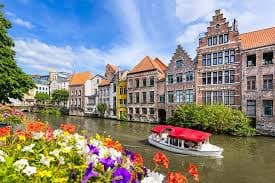
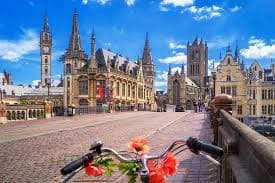
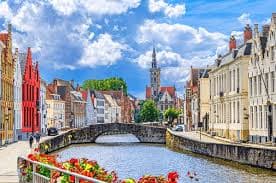
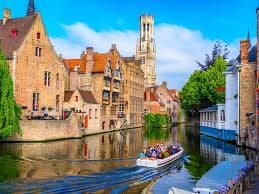
Georgia
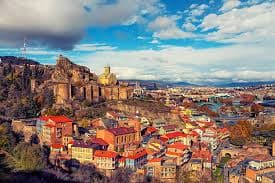
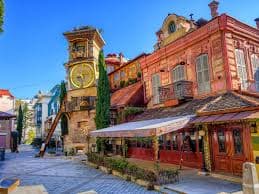
Georgia is an emerging education destination offering affordable, English-medium programs and easy visa access.
Quick Facts
- Low tuition fees and lower cost of living
- Many programs taught in English
- Emerging as a promising destination for higher education
- Straightforward visa procedures for international students
- Strong networking opportunities in growing academic sector
- Safe and culturally rich student lifestyle (implied)


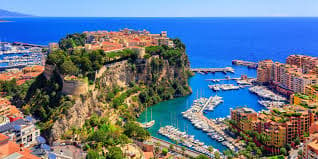
Monaco
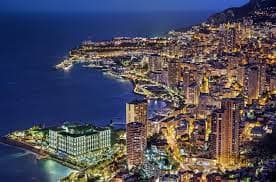
Monaco offers boutique, high-end higher education in a luxurious, multilingual, and business-oriented micro-state.
Quick Facts
- Second-smallest country in the world
- Affordable tuition and living expenses (surprisingly)
- Programs fully taught in English
- Small class sizes and experiential learning focus
- Highly beneficial favorable tax and business environment
- Multilingual cultural setting: French, English, Italian widely spoken


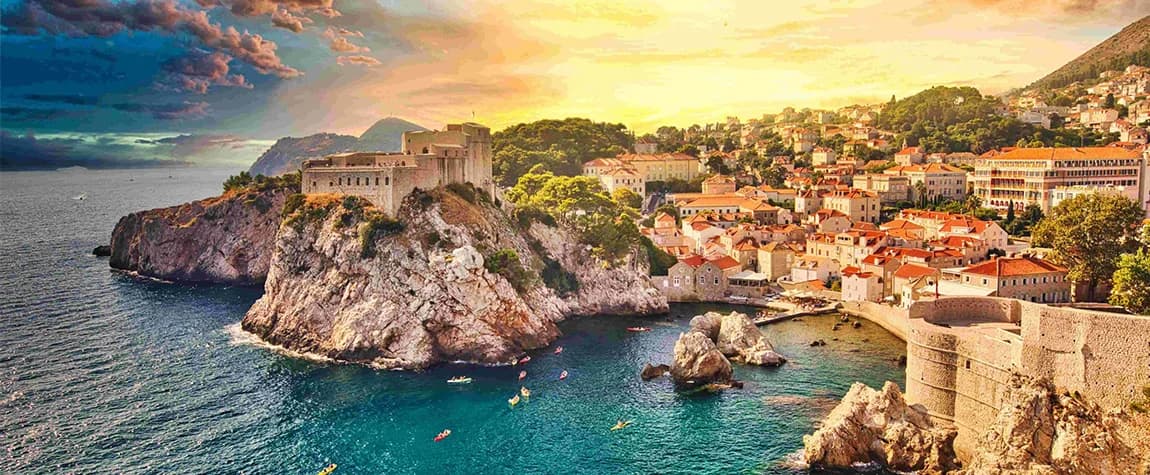
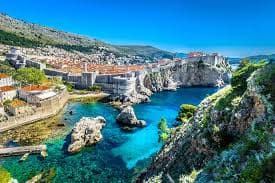
Croatia
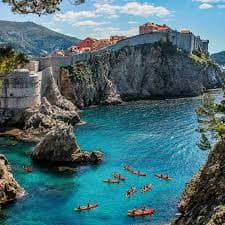
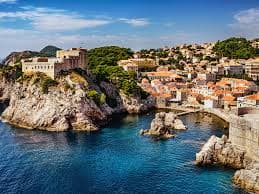
Croatia offers a scenic and historic European study experience with ECTS-aligned degrees and public institution options.
Quick Facts
- 133 higher education institutions
- 1,600+ English-taught programs available
- ECTS-based three-cycle education system aligned with European standards
- Mostly public institutions with part-time work opportunities
- Post-study work visa up to 1 year
- Rich coastal culture and Central European heritage

Study Visa Registration
Register now to apply for study visa programs. Please fill in all required fields.
Frequently Asked Questions
Common questions answered: tuition, work options, recognition and program duration
How much does a master’s in Europe cost per year?
Tuition varies widely—public universities often charge €1,000–5,000/year, while private institutions may cost €8,000–25,000/year. Living expenses average €8,000–15,000/year depending on the country.
Can international students work while studying?
Yes—most European countries allow part-time work between 15–20 hrs/week; students can also access internships or post-study work visas depending on the country.
Are European degrees globally recognized?
Yes—degrees from accredited European institutions (especially under the Bologna Process) are recognized worldwide for academic and professional purposes.
What post-study work options are available?
Many countries (like Germany, France, Ireland, Netherlands) offer 1–2 year post-study work visas, allowing graduates to seek full-time employment or permanent residency routes.
Is health insurance mandatory?
Yes—health insurance is compulsory across Europe. Costs vary: in Germany around €120/month, while in other EU countries it may be €50–100/month for students.
What is the role of universities vs. universities of applied sciences?
Traditional universities focus on research-oriented degrees, while universities of applied sciences (UAS) emphasize practical, career-oriented education, often with lower tuition fees.
Still confused about studying abroad? Get 100% clarity by speaking directly with our expert counselors today.
Get personalized guidance on university selection, eligibility, fee structure, and documentation — all from trusted experts with years of experience. Thousands of students from India have already started their journey abroad with our help — now it's your turn to move forward with confidence.
Imperial Overseas Consultants
Government Approved Consultants